Your cart is currently empty!
Tag: stargazing
-

Stargazing in Death Valley: A Cosmic Escape Like No Other
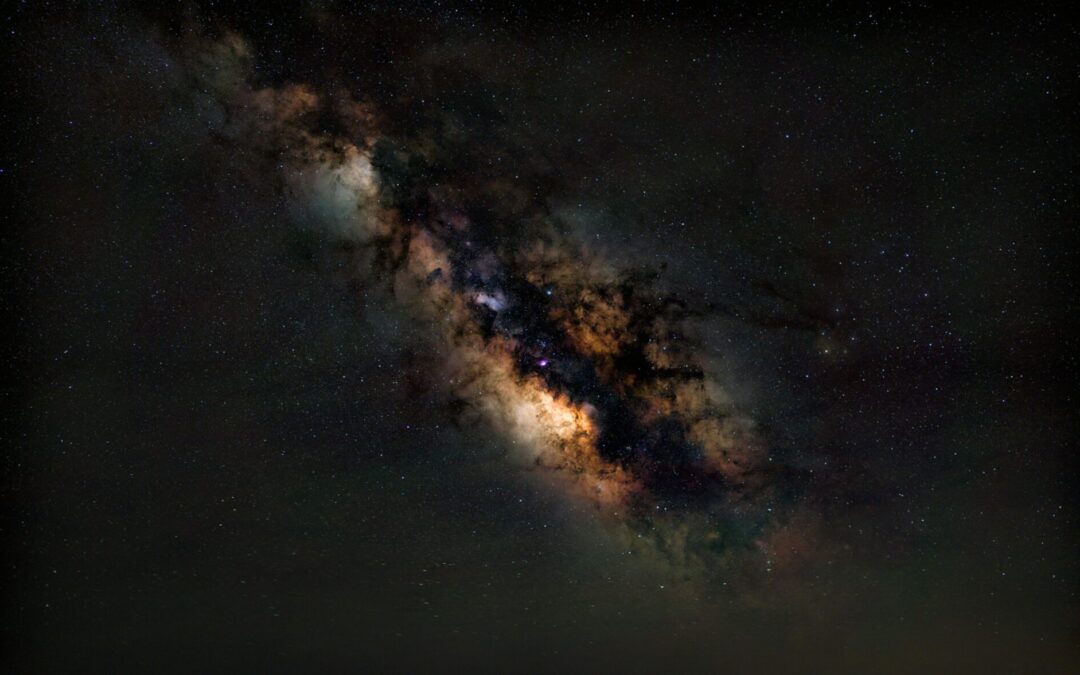
We want to tell you about the time we almost cried Stargazing in Death Valley. And not in a sad way—more like in a “the universe is infinite and I’m just a speck of cosmic dust” way. If you’ve never been, Death Valley is one of those places where you can’t help but be humbled by nature. And come March, it’s prime time for stargazing. It’s Milky Way central—an intergalactic light show.

Why March is THE Time to Go Stargazing in Death Valley
Let’s talk specifics for Stargazing in Death Valley.
Timing…
March is when the magic happens. It’s not too cold (because trust us, desert nights in January can feel like you’re camping in a freezer), and the skies are clear as a bell. Plus, this is Milky Way season. That’s right, folks—the actual Milky Way, like you’ve only seen in science textbooks or desktop wallpapers. You don’t need a telescope or fancy equipment; just your eyes and a little patience. Although, pro tip: a cozy blanket and some hot cocoa don’t hurt.
Location…
But here’s the kicker—Death Valley’s remoteness is what makes it the spot. No light pollution. No distractions. Just you, the stars, and maybe the occasional howl of a coyote in the distance (which, let’s be honest, adds to the whole vibe). It’s a humbling experience, staring up at the vastness of the universe and realizing your daily stresses—like that unanswered email or the fact that your favorite coffee shop is out of oat milk—don’t actually matter in the grand scheme of things.
Connection…
And can we talk about how grounding it is to spend a night under the stars? It’s like nature’s version of therapy, but cheaper and with better views. In a world where we’re constantly glued to screens, taking a moment to disconnect and stare at something billions of years old feels, well, kind of necessary. Think of it as hitting the cosmic reset button.

Enjoying Death Valley Stargazing
If you’re planning a trip and are interested in stargazing in Death Valley, remember to check out events like Death Valley’s Dark Sky Festival. And if you’re a night owl like us, bring some good snacks (trust us, the chips hit different under starlight) and prepare to have your mind blown. Just watch out for those sneaky desert winds—they’re no joke.
So, grab a friend, hop in the car, and go see the Milky Way in Death Valley this March. It’s the kind of experience that sticks with you, the kind you’ll find yourself rambling about to your friends later. And who knows, you might even feel a little cosmic inspiration—enough to put down your phone, stop doomscrolling, and start living under the stars for a while.
[activities category=”off-roading-las-vegas” subcategory=”off-roading-las-vegas”]
-

Stargazing in Acadia National Park
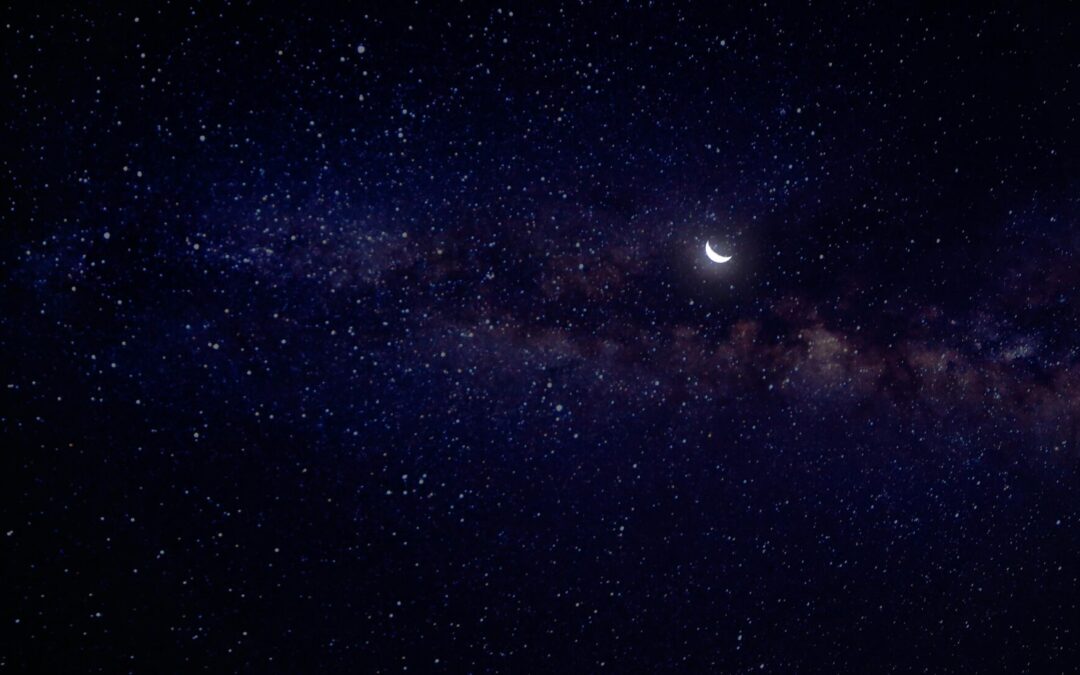
Stargazing in Acadia National Park offers a truly breathtaking experience, especially for those who want to escape the hustle and bustle of city life and enjoy the wonders of the night sky. As one of the premier locations for stargazing on the East Coast, Acadia’s dark skies provide a perfect backdrop for spotting constellations, planets, and even the Milky Way.
Why Go Stargazing in Acadia
Located on Mount Desert Island, Acadia National Park boasts some of the darkest skies in the northeastern United States. Far from the light pollution of big cities, the park offers pristine views of the stars that are hard to find elsewhere. This darkness, combined with Acadia’s vast open spaces, makes it a stargazer’s paradise.
The park’s high vantage points, including Cadillac Mountain, offer incredible panoramic views of the sky. Visitors can look forward to catching meteor showers, especially during peak times like the Perseid meteor shower in August.

Best Locations in Acadia for Stargazing
- Cadillac Mountain: Known for being the first place in the U.S. to see the sunrise, Cadillac Mountain is also a fantastic stargazing spot.With its high elevation and unobstructed views, it’s a top choice for watching the stars.
- Jordan Pond: The calm waters of Jordan Pond reflect the night sky, creating a stunning visual effect. This spot is perfect for astrophotographers looking to capture a mirrored sky on the pond’s surface.
- Sand Beach: If you prefer a lower vantage point, Sand Beach offers a wide-open view of the stars with the soothing sound of ocean waves in the background.
- Seawall Picnic Area: Located on the quieter western side of the island, this area offers excellent views without the crowds. It’s a peaceful spot for those who want a more intimate stargazing experience.
Stargazing Events and the Night Sky Festival
Acadia National Park is also home to the annual Acadia Night Sky Festival, which takes place every September. The festival celebrates the beauty of the night sky through a series of events, including night hikes, stargazing parties, and educational programs led by astronomers. The festival is a fantastic way to learn more about the constellations, planets, and the importance of preserving dark skies.
During the festival, telescopes are often set up at various locations in the park, offering close-up views of celestial objects like Saturn’s rings, Jupiter’s moons, and distant galaxies.
Tips for Stargazing in Acadia
- Check the weather: Clear skies are essential for stargazing, so be sure to check the weather forecast before heading out.
- Bring a flashlight with red light: Red light is less disruptive to your night vision, allowing you to adjust to the darkness while still seeing where you’re going.
- Dress warmly: Even in the summer, nighttime temperatures in Acadia can drop, so bring a jacket and dress in layers.
- Download a stargazing app: Apps like SkyView or Star Walk can help you identify constellations, planets, and other celestial objects.

Enjoy the Night Sky
Stargazing in Acadia National Park is an unforgettable experience that connects you with the vastness of the universe. Whether you’re attending the Acadia Night Sky Festival or simply heading out on your own, the park’s dark skies and natural beauty provide the perfect setting for an awe-inspiring night under the stars.
Acadia National Park is an amazing place to explore, day or night. And we’ve got just the guides to help you make the most of your visit. Check out our Revealed Travel Guides smartphone app, where you can find hikes, activities, history, legends and our GPS-aware drive tours. Our believable guides bring you unbelievable vacations.

-
Las Vegas’ Best Stargazing Spots
The Southwest is one of the best regions in the United States for stargazing. There are plenty of wide, open spaces between cities where the stars really shine at night. When people call Las Vegas the “City of Lights” they aren’t referring to the night sky, but the areas around Vegas do have some spectacular stargazing opportunities just the same.
A lot of folks point out that the light pollution around Las Vegas makes it difficult to even see the stars, which is a fair point. It’s tough to see the night sky… when you’re in the city. But Las Vegas also has plenty of really awesome natural areas that are far enough from the lights of The Strip. Here are some of our favorite stargazing spots around Las Vegas.
Red Rock Canyon Area
Probably your closest option for good stargazing, Red Rock Canyon has good night skies if you look to the west, away from the city. Though night skies out here aren’t as clear as other places further from the city, there are still good opportunities on clear nights. This is an exceptionally popular spot, especially during eclipses or meteor showers.If you decide to visit Red Rock Canyon, you should know that you’re technically stargazing from outside of the scenic loop road. Red Rock’s hours are 8 a.m. – 5 p.m., so your viewing options are going to be from pullouts along SR-159, also known as Blue Diamond Road. It’ll take about half an hour to go from The Strip to the Red Rock Canyon area.
Lake Mead
The Lake Mead area has over 750 miles of shoreline, and some very expansive drives that allow you to see all of it. Much of Lake Mead is far enough away from any major development that light pollution becomes far less of an issue. Additionally, the lake has several areas that you can pull off and park at, allowing you good areas to stargaze from.
Unfortunately, Lake Mead is still close enough to Boulder City and Henderson that you don’t have clear skies all around. Your best stargazing will be towards the northeast, as the glow of the surrounding cities can outshine the night sky. However, if you choose to take Northshore Road further north, towards Valley of Fire, you can get far clearer skies.
By the way, if you’re looking for more than just stargazing spots, check out our mobile app. We cover all of our favorite Vegas restaurants, hotels, shows, casinos, natural areas and so much more.

Keep an eye out for pullouts and parking areas around the lake. I was in the Sunset View Overlook area during an eclipse and this is one of the most popular areas to view the night sky from, in part because it’s fairly close to the city. It’ll take half an hour or forty five minutes to visit some of the closer lookouts from The Strip.
Valley of Fire
Valley of Fire sits about 40 miles northeast of Las Vegas. Because it is so much further from the city, Valley of Fire offers excellent night sky conditions much of the time. It isn’t uncommon to see the Milky Way with the naked eye on particularly clear nights, and the surrounding desert is full of dramatic natural formations that can really add to the experience.Valley of Fire can be a tricky area to stargaze from. They close their gates at night, which means you can’t get into the park after hours. You really only have two options: you can stargaze from just outside of the park, or you can go camping inside of the park and stargaze from the comfort of your campground.
If you go with the first option, there are plenty of areas around Valley of Fire to see the sky from. If you take Northshore Road north from Lake Mead, you can view the sky from closer to the east entrance, or you can head towards one of the beaches along the Overton Arm of Lake Mead.
If you choose to camp from the park, you can choose between Atlatl Rock Campground or Arch Rock Campground. However, after dark, activity in Valley of Fire is limited to those campgrounds, so you won’t be able to explore at your leisure. Make sure to research which campground is better suited to your needs in advance. Valley of Fire is about an hour from The Strip if you take I-15, or an hour and a half if you take Northshore Road.
[activities category=”off-roading-las-vegas” subcategory=”off-roading-las-vegas”]
Death Valley
This is the best option on the list… and unfortunately, also the furthest from The Strip. Death Valley National Park is an exceptional park, with old ghost towns, miles of desert road, and beautiful scenery in the daytime. At night, the entire park becomes one giant stargazing spot, with exceptional viewpoints and minimal light pollution from surrounding towns. Stovepipe Wells is where a lot of people stay in Death Valley, but you’ll want to get at least a few minutes into the desert to avoid the minimal lights from its buildings.There are probably too many vantage points to list here, but we’ve had excellent viewing experiences to the northeast of Stovepipe Wells, between there and Beatty. Beatty is the closest town, and has some of the strongest light pollution in the area… and it ain’t much. If you look to the north, you’ll have some of the best stargazing opportunities, but really anywhere Daylight Pass Road will give you incredible views of the night sky.
We’re all about showing you the best places, both on and off the beaten path. Besides our guide to Las Vegas, we also have guidebooks, apps and GPS driving tours to the islands of Hawai‘i. Check out our believable guides for your next unbelievable vacation.